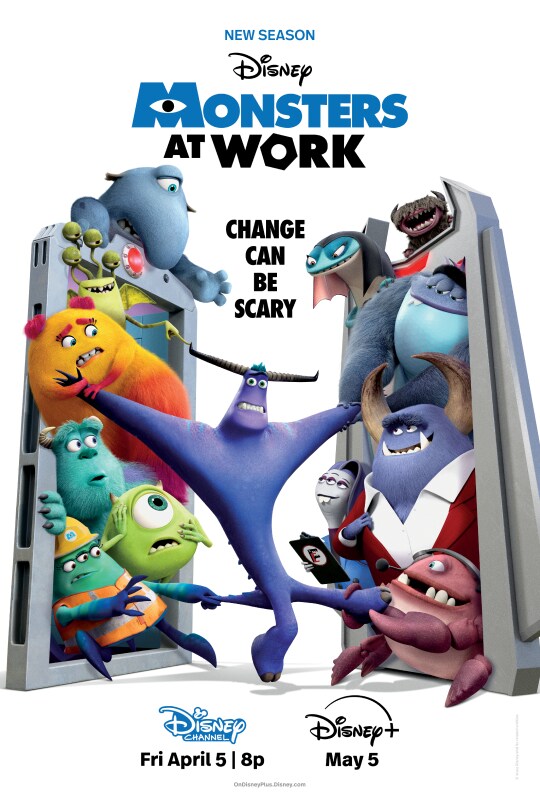
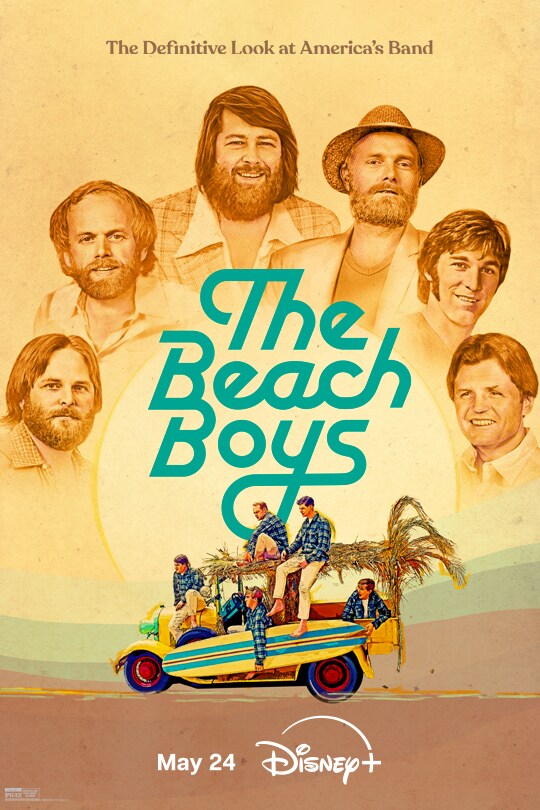
YOUR FAVORITE DISNEY MOVIES & SERIES STREAMING ANYTIME ON DISNEY+
*U.S. residents, 18+ only. Access content from each service separately. Location data required to watch certain content. Offer valid for eligible subscribers only. Subject to Disney+ and ESPN+ Subscriber Agreement. For detailed information on billing and cancelation, please visit the Disney+ Help Center.
*U.S. residents, 18+ only. Access content from each service separately. Location data required to watch certain content. Offer valid for eligible subscribers only. Subject to Disney+ and ESPN+ Subscriber Agreement. For detailed information on billing and cancelation, please visit the Disney+ Help Center.
**NO PURCHASE NECESSARY. Enter Sweepstakes between 4/15/24 at 12:00 PM ET and 4/30/24 at 11:59 PM ET. Open to legal residents of the 50 U.S. & D.C., who are 18+ at time of entry and have an active Disney+ account as of 4/14/24. Limit 1 entry per person per day. See Official Rules for full details on how to enter, eligibility requirements, odds of winning, prize description and limitations. Void where prohibited. Sponsor: National Geographic Partners, LLC., 1145 17th Street NW, Washington, D.C. 20036.
**NO PURCHASE NECESSARY. Enter Sweepstakes between 4/15/24 at 12:00 PM ET and 4/30/24 at 11:59 PM ET. Open to legal residents of the 50 U.S. & D.C., who are 18+ at time of entry and have an active Disney+ account as of 4/14/24. Limit 1 entry per person per day. See Official Rules for full details on how to enter, eligibility requirements, odds of winning, prize description and limitations. Void where prohibited. Sponsor: National Geographic Partners, LLC., 1145 17th Street NW, Washington, D.C. 20036.
 Disney.com